The rapid rise in suspected Ebola infections across the Democratic Republic of the Congo is triggering renewed international concern, as health officials race against time to contain an outbreak that appears to be expanding faster than initially feared. In only a matter of days, suspected cases have surged dramatically, prompting the World Health Organization to elevate its national risk assessment and issue warnings about the possibility of wider spread.
According to recent figures from WHO and health authorities, suspected Ebola cases in the DRC have risen from roughly 246 to nearly 750 within a single week, while suspected deaths climbed from approximately 65 to 177. Officials caution that these numbers remain fluid and may continue increasing as surveillance teams identify additional cases and improve testing efforts.
The outbreak involves the rare Bundibugyo strain of Ebola, a form of the virus that presents an additional challenge for public health teams because there is currently no approved vaccine or specific treatment available. Previous outbreaks involving this strain have recorded fatality rates ranging from 30% to 50%, making rapid containment efforts particularly urgent.
Health experts say the outbreak appears centered in Ituri province in eastern Congo, a region already struggling with security issues, population movement, and healthcare limitations. Authorities believe the virus may have circulated for weeks before being formally detected, allowing transmission chains to develop unnoticed. WHO officials have suggested that the actual scale of infections may be significantly larger than confirmed figures currently indicate.
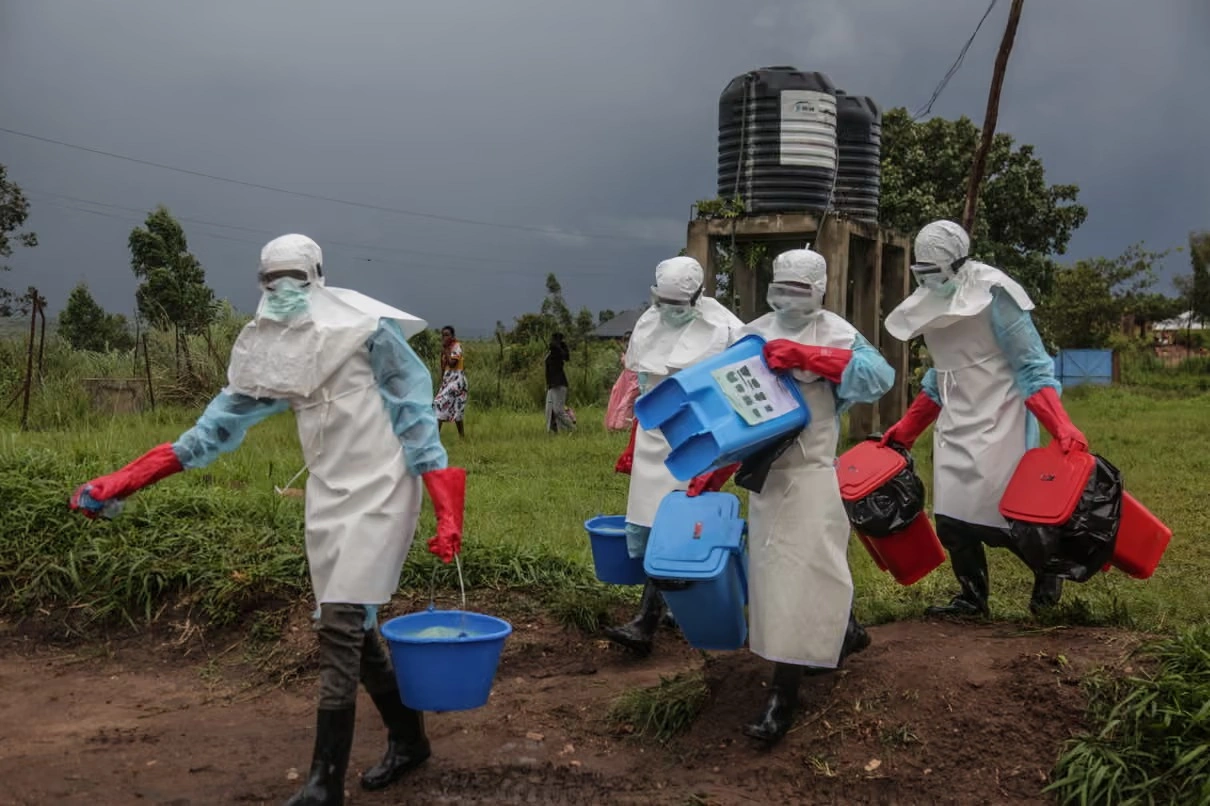
One of the greatest challenges facing response teams is the complexity of identifying and isolating cases quickly enough. Ebola spreads through direct contact with infected bodily fluids, meaning family caregiving, healthcare settings, and funeral practices can become significant pathways for transmission if precautions are not followed. Health worker infections have already been reported, raising concerns about spread within medical facilities themselves.
Public health responses are also being complicated by misinformation and distrust. Reports from affected communities describe resistance to some safety measures, including strict burial protocols intended to reduce transmission risk. In certain areas, tensions have escalated into confrontations between residents and health workers, creating additional barriers to containment efforts.
Cross-border movement is another concern. Neighboring Uganda has already confirmed imported cases linked to travel from Congo, although officials there report that local transmission remains limited for now. WHO currently assesses the risk of spread as “very high” within Congo and “high” at the regional level, while maintaining that the global risk remains low at this stage.
The outbreak has prompted emergency actions that extend beyond hospitals and treatment centers. Restrictions on public gatherings and funeral events have been introduced in some affected areas, while international organizations are increasing funding, deploying specialists, strengthening border surveillance, and expanding community outreach programs.
WHO officials continue emphasizing that early detection remains critical. Unlike airborne illnesses, Ebola does not spread through casual contact. But its ability to move rapidly through close personal interactions means delayed identification can significantly worsen outbreaks, particularly in regions with limited healthcare infrastructure.
The current crisis also highlights a recurring challenge within global health responses: outbreaks often become most dangerous when medical realities intersect with social, political, and economic pressures. Limited resources, public distrust, and delayed detection can create conditions where even manageable situations become significantly more difficult to control.
For now, international health agencies are focused on a straightforward objective to contain transmission before isolated outbreaks evolve into a broader regional crisis. Yet with suspected cases continuing to rise, the coming weeks may determine whether current efforts can slow the virus or whether health officials will face an even larger emergency.