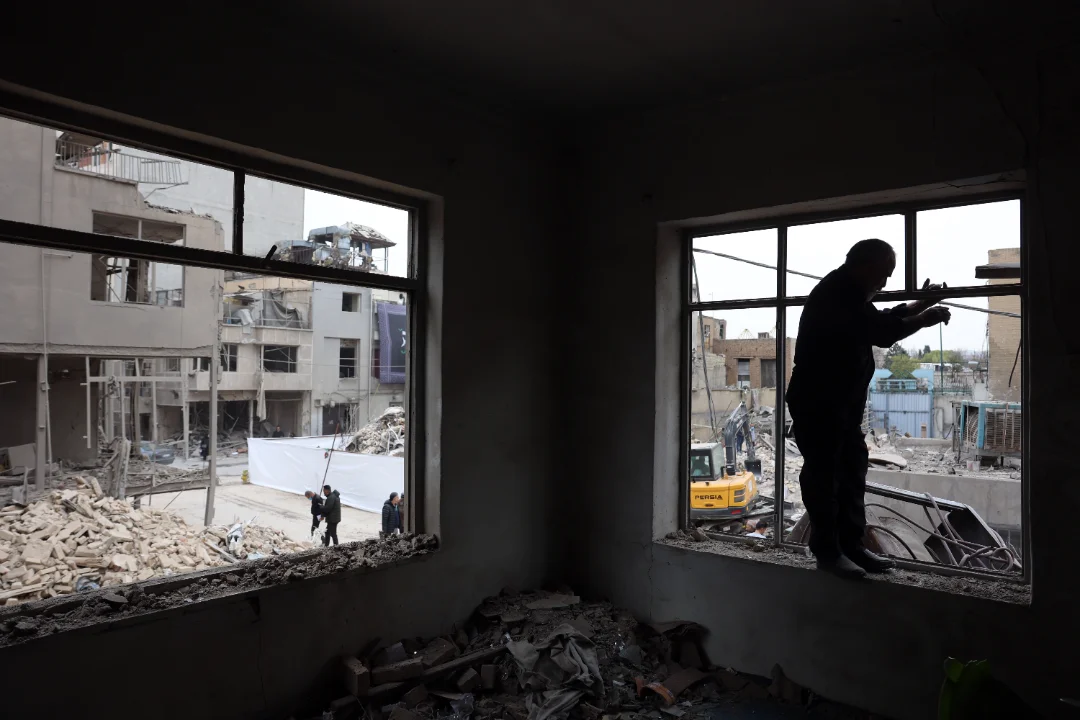
As missiles streak across the skies of the Middle East, another war, less visible but no less consequential, is unfolding across screens, timelines, and encrypted chats. In the weeks following U.S.–Israeli strikes on Iran, Tehran has increasingly shifted its focus toward what analysts describe as an “information war,” using social media, artificial intelligence, and digital networks to shape perception as much as reality.
This is not simply propaganda in the traditional sense. It is faster, more fragmented, and far more difficult to contain.
From Bombs to Bandwidth
Modern conflicts rarely remain confined to physical battlefields. In the case of Iran, the pivot to digital strategy appears both deliberate and necessary.
With key military infrastructure damaged and communication channels disrupted, Iranian state actors and affiliated networks have turned to social media platforms to project resilience, amplify narratives of strength, and counter Western reporting. Analysts say the goal is not just to inform but to influence – both domestically and globally.
Researchers tracking online activity describe a coordinated effort to “flood the zone” with content, often blending real footage with manipulated or AI-generated visuals to create a sense of momentum and control.
The result is a digital environment where truth becomes difficult to separate from performance.
The Rise of the Meme War
One of the most striking developments has been the emergence of what some observers call a “meme war.”
Iranian-linked accounts have circulated satirical and AI-generated content mocking U.S. leadership and military messaging, including viral posts that parody official statements or exaggerate battlefield outcomes.
At the same time, U.S. political figures and affiliated accounts have used their own social media platforms to frame the conflict in real time, often blending official messaging with viral content.
The tone is jarring.
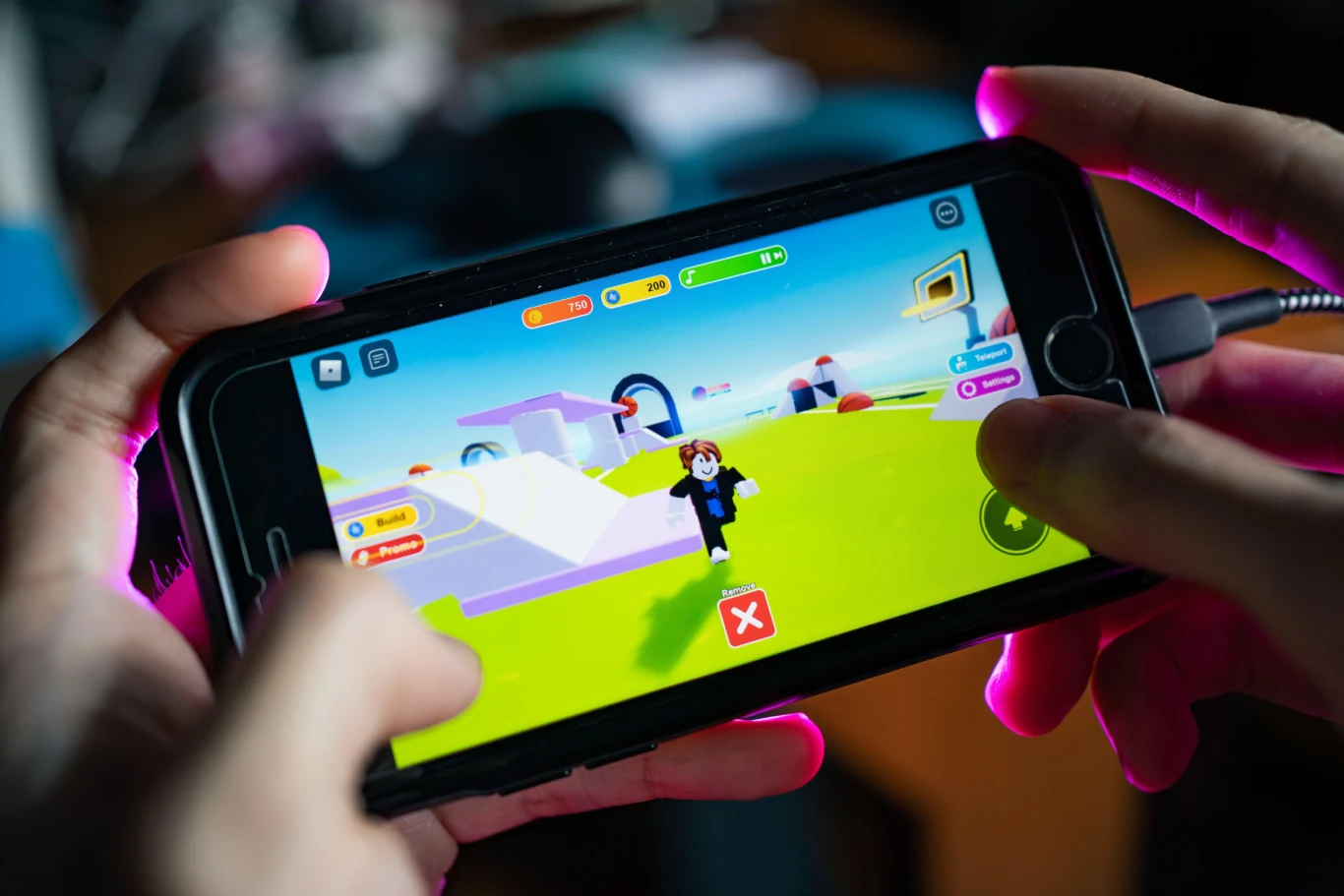
War, traditionally communicated through formal briefings and controlled narratives is now being filtered through the language of internet culture: memes, short videos, and rapid-fire commentary.
For younger audiences, especially, the conflict is experienced not just through news reports but through shareable, often emotionally charged content.
Controlling the Narrative at Home
While Iran projects messages outward, it is also tightening control internally.
Authorities have reportedly arrested hundreds of individuals accused of engaging in online activity deemed harmful to national security, including sharing content or communicating with foreign networks.
The crackdown reflects a dual strategy: amplify the state’s narrative while limiting alternative voices.
Inside Iran, internet access has become increasingly restricted, with reports of outages and limited connectivity. The effect is a kind of information vacuum – one in which official messaging dominates while independent verification becomes more difficult.
For citizens, this creates a paradox: more information circulating globally than ever before, but less clarity about what is actually happening on the ground.
The Role of Artificial Intelligence
What distinguishes this phase of the information war from earlier conflicts is the role of artificial intelligence.
AI tools are being used to generate realistic images, videos, and even simulated voices, allowing state and non-state actors to produce content at unprecedented speed and scale.
Some of these materials are designed to exaggerate battlefield successes. Others aim to confuse, overwhelm, or simply distract.
Fact-checkers have already identified numerous examples of recycled or manipulated footage being presented as current events: videos from unrelated incidents, altered images, and entirely fabricated scenes generated by AI.
The challenge is not just identifying false content, but keeping pace with it.
A War of Perception
In many ways, the information war mirrors the strategic objectives of the physical conflict.
Just as military operations aim to weaken an opponent’s capabilities, digital campaigns aim to weaken confidence: in governments, in media, and in the very idea of objective truth.
Iran’s messaging often emphasizes resilience, portraying the country as standing firm despite external attacks. At the same time, it seeks to highlight divisions within Western societies and question the legitimacy of U.S. and Israeli actions.
The strategy is not unique to Iran. It reflects a broader shift in how modern conflicts are fought—where winning the narrative can be as important as winning territory.
Global Audiences, Fragmented Realities
Perhaps the most significant impact of this digital pivot is its reach.
Unlike traditional warfare, which is geographically limited, the information war unfolds on platforms accessible worldwide. A post created in Tehran can be seen within seconds in New York, London, or Jakarta.
But the experience is not uniform.
Algorithms amplify different content for different audiences, creating fragmented realities in which users see entirely different versions of the same conflict.
For some, the war appears as a series of decisive victories. For others, it looks like chaos and escalation. Both perceptions can coexist: shaped not by events themselves but by the information streams surrounding them.
The Cost of Confusion
The consequences extend beyond public perception.
Misinformation can influence financial markets, diplomatic decisions, and even military strategy. Reports, true or false – about negotiations, casualties, or attacks can trigger real-world reactions.
Recent claims about potential talks between the United States and Iran, for example, were quickly denied by Iranian officials, who described them as attempts to manipulate markets and public opinion.
In this environment, information becomes both a tool and a weapon.
A New Kind of Warfare
The shift toward digital strategy does not replace traditional warfare; it complements it.
Missiles and drones continue to define the physical conflict. But online, a parallel battle is being fought over meaning, interpretation, and belief.
For governments, the challenge is managing both fronts simultaneously.
For civilians, the challenge is knowing what to trust.
And for the global audience watching from afar, the war increasingly feels like a stream of competing narratives, each claiming to represent reality, none entirely verifiable.
In the end, the information war may not determine who controls territory or infrastructure.
But it will shape how the conflict is remembered.
And in a world where perception often drives action, that may be just as important.