The European #Ski season is usually a picture of delight amid the mountain air: the red-cheeked families who carve out their pleasure on the carefully groomed pistes, the gregariousness of sunlit terraces animated by post-ski laughter, the grandeur of the Alps, the Pyrenees, and the Dolomites above it all. Yet this winter, there has been some darker mélange to it. Instances of fatalities from #skiing dangers — mostly, avalanches – have risen across Europe at levels that have agitated authorities, prompted the issuance of travel advisories, and turned #ski resorts into centres of rescue operations and grim statistics.
The European Avalanche Warning Services (EAWS) by mid-February this year had some chilling statistics: around 99 elimination deaths took place in avalanches since the fall season began in October last year – a figure that is just below the yearly number – pretty symbolic, actually, because the season has still many weeks to run. A lengthening list of deaths has crossed France, Italy, Austria, Switzerland, and even the Pyrenees, getting the U. S. State Department to issue cautions for American holidaymakers headed toward the… Alpines.
So, what exactly happened to cause such a long line of death? The answer, a recent one, lies somewhere between weather, human action, and the culture of adventure backed by the rise of the backcountry boundary-explorers.
The Anatomy of a Deadly Season
Avalanches are non-random events: they arise from “snowpack instability,” a very temperamental layering of snow with tendencies to buckle under pressure. This winter, the layers and layers of un-hungry snow quickly became an awkward mix with the explosive potentiality of all this heavy and fresh powder that has fallen on top of the weak base. And there it sits, benign in historical terms; there is, yet, encoded much violence ever-cloaked into the geologic feature of such a simple operator as fragile and buried snowpack.
Under the right-or the wrong, depending on who is watching-conditions, the snowpack goes from relaxed to high-strung almost instantly and with great force.
The outcome: great, danger-laden routes that you might look at and consider pristine. Over recent weeks, many severe avalanche warnings have been issued around the mountainous zones, their danger rated at second highest on official scales.
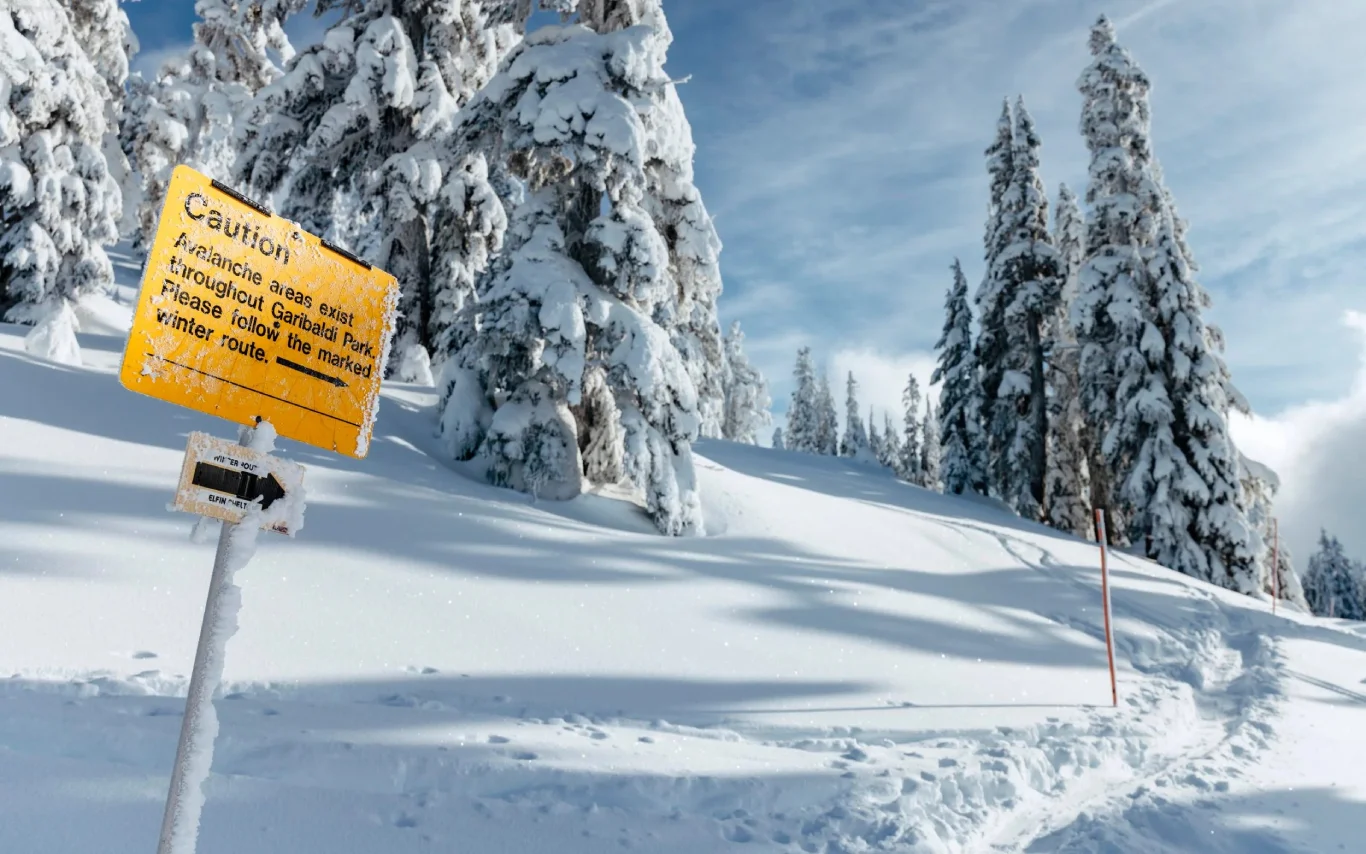
Although the phenomenon of such unstable snow forms is not new, this particular year’s occurrence, punctuated by the timing of such an occurrence and the rate of snow depth accumulation, brings in a certain discourse. What is being mentioned by snowpack experts is that the heavy storms have been responsible for dumping enormous amounts of snow within short periods, especially up high, creating layers that itch to move. Winds may carry snow off ridgetops onto wind slabs to put pressure and layering to trigger an avalanche. A teaser here is that almost all of the deadliest incidents this season, alluringly happening off-piste, are admittedly fatal beyond the confines of groomed ski runs. With state-of-the-art touring gear and avalanche-safety equipment, contemporary skiers and snowboarders now spend more days wandering around off the marked out-of-bounds terrain. Admittedly, within these realms, warning signs are thin-on-the-ground, and a terrain trap may become a valid death sentence, gullies, and hidden cornices might cause a snow slide.
In the western Alps of Austria, for instance, dozens of avalanche incidents were recorded over the course of a weekend with a few fatalities among adventurers who took their backies into forbidden terrains, ignoring official warnings. In different resorts like Italy and France, avalanches tragically have attacked very popular faces.
This all boils down to winter sport paradox: gadgets like airbag packs, transceivers, and helmets give users a false sense of security. Even though the snow is never stable, physics and an erratic force of 1000 tons of snow bulldozing the mountain will rarely let go, no matter what gadgets one buys.
Ancient weather systems and the changing signals of climate are another area of import
Weather predominantly dictates avalanches. The season’s ever persistent snow instability arise from an unusual planetary sequence of snow deposits that create a familiar snow layering problem. Weak bonds between these layers imply dangerous snow instability. Use triggers like lock triggers—either skiers’ boots on the hillside or the few-degree shift in temperature.
Upsurge in violent alpine events is expected to complicate all this. Mild air can hold much more water in suspension, much of it mounting into ever-occurring heaps of drops for moisture. Where some climate models predict reduced snowfalls and seasons, all avalanches at least remain profoundly deadly due to huge loads and vigour from snow.
The message of this is that the Alps and other mountain ranges are suffering from almost unreliable conditions. Weather changes would appear to surprise the inhabitants as far as they’re concerned, as wet and heavy snow may stick heavily on slope areas immediately after a mild week – a risky situation for people loving freeriding and backcountry adventures. Traditional forecasts are useful, although they can’t guarantee the absence of risk.
The Human Factor
This season has had a number of deaths caused by human influences so far in avalanches, meaning that these huge explosions of snow did not always naturally happen-people did, many times triggered by skiing or snowboarding, through traversing a suspect slope. No matter what the avalanche report, the attraction of fresh powder is always appealing to the human psyche.
In a number of well-documented cases, skiers spent a moment crossing the critical slope angle or destroyed the critical snow layer and ran into an imminent avalanche hazard away from the grasp of any patrolled area. Those are anything but journeyers; they are quite frequently experienced backcountry travelers just making an error in their judgment or ignoring the warnings in a maniac of pursuing an ideal clean back.
And then you remember those few that have passed on from the mounting snowstorms due to the snow pulling down all snowplows, which should simply help us avoid completely emphasizing the sentiment that avalanches are the only hazard!; nothing they would profess to be more dangerous of all, less still so.
Looking a little closer
European fatalities due to avalanches tend to almost reach about 100 annually-with around the same bleak and haunting account per decade, something quite intricate to explain alongside an exploding winter sports populace-and increased safety gear selling. In reality, something distinguishing this season from others is less about a brand-new risk phenomenon and more about the confluence of bad weather, highly unstable snow conditions, and a high cascade of human behavior that aggravated forwards the danger.
Taking care of avoiding unnecessary risk has become a priority this season for mountain-rescue teams and local authorities. Timely warnings, some formal education to those who play on the snow, and recognizing those days and places that are simply off-limits strongly communicate what so many expect from land: the sweet hollowness of powder snow. However, stillness and heights can swing from protection to sudden necessity in a single gust as features display in either their ultimate beauty or some kind of awful death mask.
However this spins out, the consistent tension this season still hangs over striking contrast between winter joy and mountains’ untamed mysteries. It is demanded of someone who roams these mountains an old respect older than the Alps themselves, a commitment that beauty in nature and risk of nature go sort of hand in hand.