
As the digital landscape evolves, social media continues to be at the forefront of innovation and cultural shifts. The year 2022 was expected to be a turning point, with emerging platforms, transformative technologies, and changing user behaviors redefining how individuals and brands engage online. Here are 10 social media trends to look out for in 2022 and how they promised to shape the future of digital interaction.
1. The Rise of Short-Form Video Content
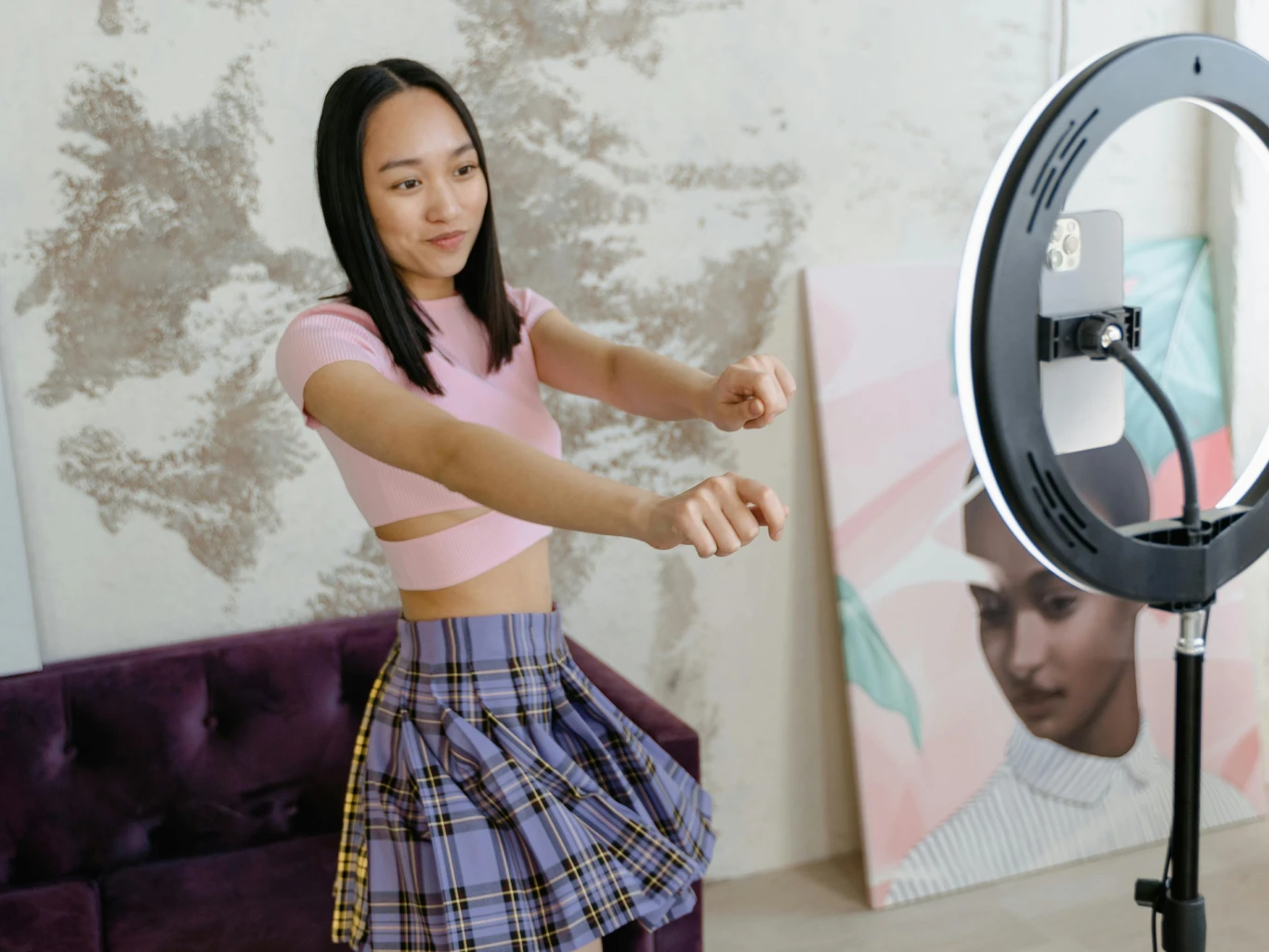
Short-form videos dominated social media in 2022, thanks to platforms like TikTok, Instagram Reels, and YouTube Shorts. Quick, engaging, and easily shareable, these bite-sized videos became the preferred format for capturing attention. Brands started leveraging short-form content to showcase products, share behind-the-scenes moments, and connect authentically with audiences.
2. Social Commerce Takes Center Stage
The integration of e-commerce into social media platforms gained momentum in 2022. Features like shoppable posts, live stream shopping, and in-app checkout made purchasing products seamless for users. Platforms like Instagram and Pinterest enhanced their social commerce capabilities, turning casual browsing into transactional experiences.
3. Metaverse Integration in Social Media
The concept of the metaverse, fueled by advancements in augmented reality (AR) and virtual reality (VR), began influencing social media strategies. Platforms explored immersive experiences, allowing users to interact in virtual spaces. For brands, the metaverse offered opportunities to host virtual events, sell digital goods, and engage audiences in new and exciting ways.
4. Authenticity Over Perfection
In 2022, users prioritized authenticity over heavily curated content. The rise of platforms like BeReal reflected this shift, emphasizing real, unfiltered moments. Brands embraced transparency and vulnerability, sharing their values and behind-the-scenes stories to build trust and relatability.
5. The Growth of Niche Communities
Social media platforms became increasingly focused on niche communities and micro-networks. Apps like Discord and Reddit experienced growth as users sought spaces for meaningful conversations around shared interests. Brands tapped into these communities to connect with highly engaged audiences in more personalized ways.
6. Voice and Audio Content Gains Popularity
Audio-based social media formats continued to thrive, with platforms like Clubhouse and Twitter Spaces offering live discussions and networking opportunities. Audio content provided an alternative to visual formats, catering to users looking for passive, on-the-go engagement.
7. Augmented Reality Filters and Experiences
AR filters remained a prominent trend in 2022, enhancing user experiences through interactive and personalized content. Brands utilized AR to create immersive campaigns, such as try-on filters for makeup or virtual tours of products, driving engagement and innovation.
8. Influencer Marketing Evolves
Influencer marketing became more sophisticated, focusing on long-term partnerships rather than one-off collaborations. Micro-influencers gained traction for their ability to connect with niche audiences, while data-driven strategies ensured brands selected influencers aligned with their goals and values.
9. Focus on Mental Health and Well-Being
Social media platforms responded to growing concerns about mental health by introducing features that promote well-being. Tools for managing screen time, filtering harmful content, and encouraging positive interactions were prioritized. Brands also aligned their messaging to support mental health initiatives and foster uplifting online communities.
10. User-Generated Content Drives Engagement
User-generated content (UGC) became a powerful tool for building trust and credibility. Social media users were more likely to engage with authentic posts from real people, whether it was product reviews, testimonials, or creative collaborations. Brands encouraged UGC to amplify their reach and create a sense of community.
The social media trends of 2022 promised to redefine the way users interact with platforms and the strategies brands deploy to connect with audiences. By embracing innovation, prioritizing authenticity, and fostering meaningful engagement, social media continued to be an indispensable tool for shaping digital experiences.
by Cristine Ongson