There are sporting events remembered for their champions, their statistics, and their unforgettable moments. Then there are those that become part of something much larger than the game itself. The 2001 World Series between the New York Yankees and the Arizona Diamondbacks belongs firmly in the latter category.
Twenty-five years later, the championship remains one of baseball’s most emotionally powerful stories, a seven-game contest shaped by extraordinary athletic drama and the grief, uncertainty, and determination that followed the September 11 terrorist attacks.
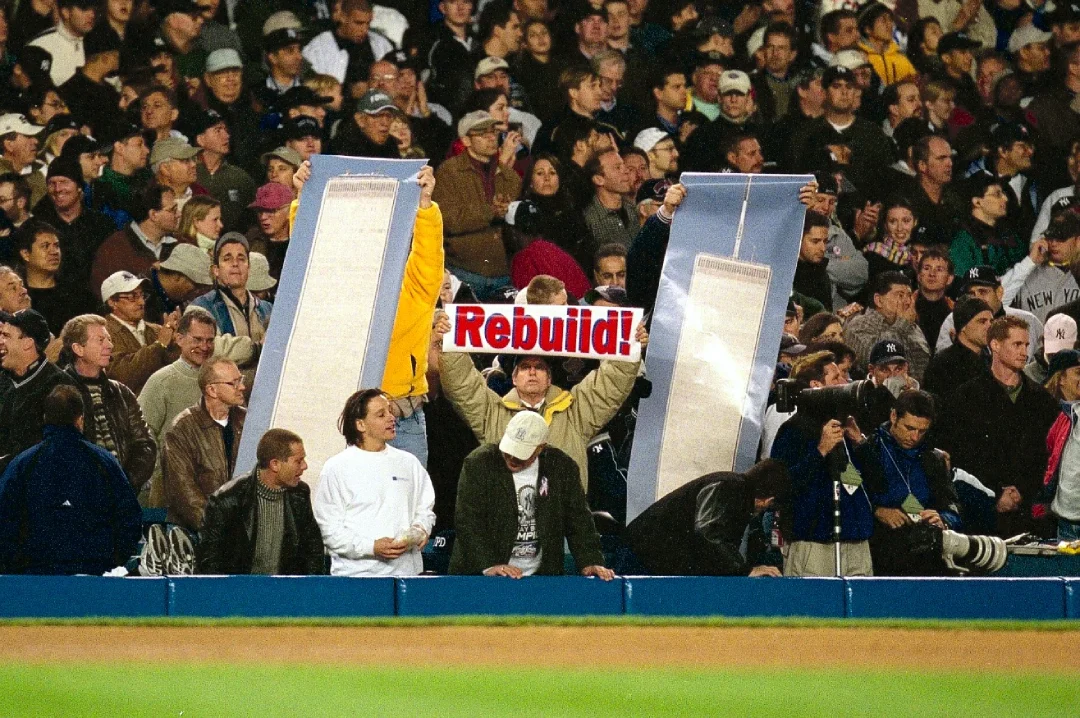
When the Yankees took the field against Arizona in October 2001, New York was still struggling to comprehend the devastation that had struck the city just weeks earlier. The World Trade Center ruins remained a painful reminder of lives lost, while first responders, families, and communities continued to navigate the aftermath. Baseball, an institution deeply woven into American life, suddenly carried a different kind of significance.
The series offered no simple escape from that reality. Instead, it became a place where sorrow and hope existed side by side.
A City Searching for Strength
The Yankees entered the championship with an established dynasty behind them, having won three consecutive World Series titles from 1998 through 2000. Their presence in the 2001 postseason carried particular emotional weight as New Yorkers looked toward familiar symbols of resilience during an extraordinarily difficult period.
The atmosphere surrounding the games reflected the country’s heightened anxiety. Security was extensive, and the return of Major League Baseball following the attacks brought with it an awareness that even ordinary routines had changed.
President George W. Bush’s appearance at Yankee Stadium for Game 3 became one of the series’ defining images. On October 30, Bush threw the ceremonial first pitch, providing a moment of reassurance in a stadium filled with spectators carrying the weight of recent events.
For the players, however, the responsibility extended beyond symbolism. They still had a championship to win, even as memories of the attacks remained difficult to put aside.
Arizona outfielder David Dellucci later recalled visiting Ground Zero with teammates and meeting families affected by the tragedy. Those experiences underscored how deeply the events of September 11 had reached into the lives of people far removed from the immediate destruction.
Drama That Transcended the Diamond
The baseball itself delivered a remarkable series.
Arizona, a franchise established only in 1998, entered the championship against a Yankees team accustomed to winning on the sport’s biggest stage. Led by dominant pitchers Randy Johnson and Curt Schilling, the Diamondbacks won the first two games at home, putting the defending champions under immediate pressure.
But the series changed dramatically when the teams moved to New York.
In Game 4, the Yankees appeared close to defeat before Tino Martinez hit a game-tying two-run homer in the bottom of the ninth inning. Derek Jeter followed with a walk-off home run in the 10th, shortly after midnight on Halloween. The dramatic finish earned him the enduring nickname “Mr. November.”
The following night brought another extraordinary comeback. Scott Brosius tied Game 5 with a two-run homer in the ninth inning, and Alfonso Soriano delivered the winning hit in the 12th. New York had taken a 3-2 series lead, creating the possibility of another championship that would have carried unusual meaning for the city.
Arizona, however, refused to surrender. The Diamondbacks dominated Game 6, setting up a decisive seventh game in Phoenix.
One Final Swing
Game 7 delivered an ending that remains among baseball’s most memorable.
The Yankees led 2-1 entering the bottom of the ninth inning, with Mariano Rivera, their celebrated closer, on the mound. Arizona rallied to tie the score, then loaded the bases with Luis Gonzalez coming to bat.
Gonzalez struck a soft single over the drawn-in infield, allowing Jay Bell to score the winning run. The Diamondbacks had defeated the Yankees four games to three, claiming their first World Series championship in only their fourth season.
For Arizona, the victory established a place in baseball history. For New York, the defeat was painful, but its meaning extended beyond the final score.
Yankees shortstop Derek Jeter has reflected on how people continue to remember that series without necessarily mentioning that his team lost. The memories, he explained in recent reflections on the anniversary, remain connected to the city and the extraordinary circumstances surrounding the games.
Why the Memories Endure
The 2001 World Series continues to resonate because it captured the complicated relationship between sport and the society surrounding it. Baseball did not erase the tragedy of September 11, nor could a championship settle the grief experienced by countless families. What it offered was a shared experience during a period when the country was searching for connection.
For two weeks, millions of people followed a contest that delivered suspense, heartbreak, and an unexpected champion. The games provided moments when strangers could celebrate together, even as the broader world remained uncertain.
Twenty-five years later, the series reminds fans that the significance of sport cannot always be measured in trophies or records. Sometimes, its lasting value lies in the memories people carry, the communities it brings together, and the moments that become inseparable from a particular time in history.
Arizona’s championship will always be remembered for Gonzalez’s decisive hit and the Diamondbacks’ extraordinary achievement. Yet the 2001 World Series belongs to a larger story, one about resilience, remembrance, and the enduring human need for shared hope.
The final score has not changed. Its meaning, however, continues to reach far beyond the ballpark.