
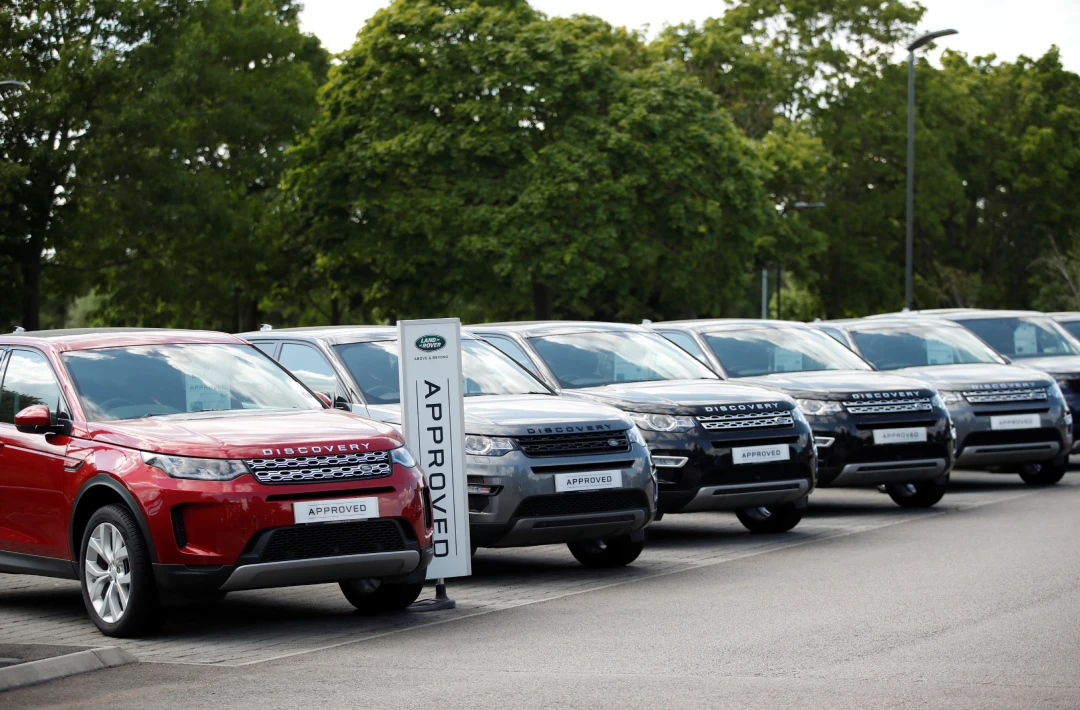
Car production in the UK saw a sickening drop of 17%. These figures from official sources have ensured that the industry remains at risk of continued descent in one of the UK’s most vital manufacturing fields. It should send a powerful, loud message to the market concerning the structural challenges to the UK that are yet to come.
In disrupting both the industry and the economy over the last few years, industry dynamics, fuel, etc., supply chains, and artificial intelligence, among others, have all significantly contributed to the troubling trend by imparting a rising need for capital outlay. As headlines around the globe draw attention towards high-cost production in the UK, international car manufacturers strive collaboratively for strategic options and expenditure.
From the standpoint of trade quantum, the UK exit has been an additional frosting on the cake. Since the departure from the EU post-Brexit, automakers have had to contend with added regulatory and logistical constraints when exporting to the EU. Border delays, rules-of-origin requirements, and the changing trade agreements only escalate what used to be an easy process of moving goods along the continent.
Major manufacturers glance at their UK footprint. Some have either reduced their production capacities or postponed decisions in a bid to protect the UK against eventual EU competitors on more integrated landscapes and, in some cases, under their governments’ relatively more aggressive support for driving electric vehicles.
The sharp acceleration shown towards electrification might actually expose vulnerabilities. Designing electric vehicles requires new supply chains, particularly battery supply. The UK government has been initiating some frantic steps geared towards putting in place domestic “gigafactories” so that the country ceases to remain dependent upon supplies from abroad. Analysts, in the absence of battery-production halls expediting industrialization, say this could deter future investment from the U. K. toward those countries better placed for the EV transition.
It is for this reason that industry groups are saying that this is a critical juncture-the sector needs government targeted policies to stabilize things, which would also encourage new investment.
The 2020 fall may indicate a blow to the UK automotive environment and help refute the hypothesis that the industry will bounce back as it did after 2008. Despite tributes to the UK car industry for once again proving it can battle back from crisis, the latest news shows that the industry could continue on like 2008, being systematically destroyed by the government, industry, or both, despite the potential for being another canary in the coal mine for the UK automotive industry.