
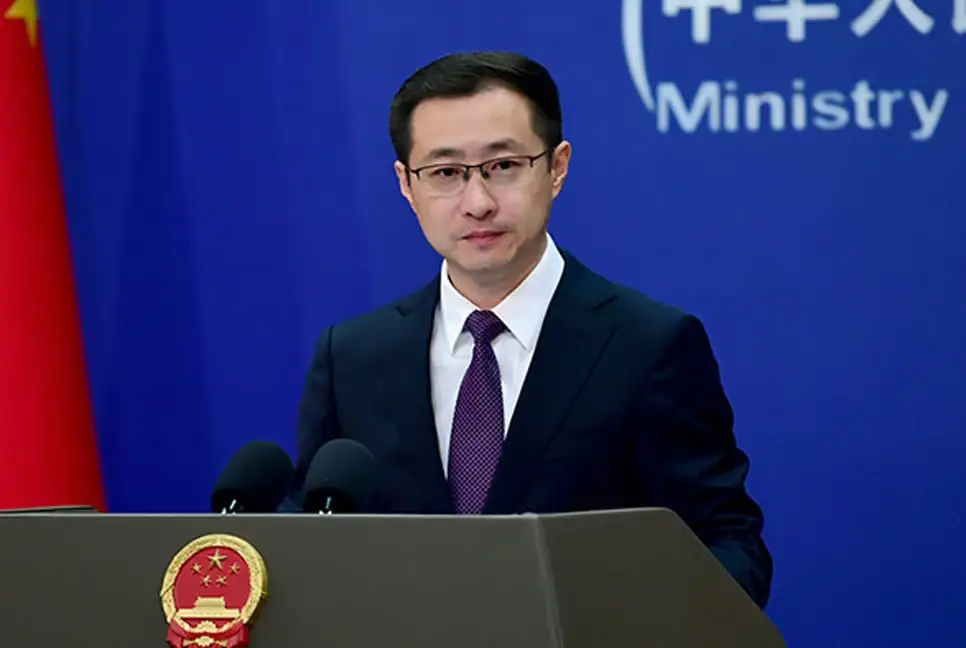
The two great economic giants have finally made a deal on the reduction of tariffs on each other’s goods, which means a major breakthrough for international trade relations. This deal, announced on May 12, 2025, contains some very important turning points in the convoluted trade tensions between the two countries. For China, this agreement may be understood as a successful diplomatic maneuver as a strategic measure bearing on the long-term economic goals of China.
Details of the Agreement
This new trade deal calls for a halt of already existing tariffs during 90 days, the U.S. will agree into diminishing its tariffs on imports from China from 145% to 30% while China will decrease tariffs on goods entering from the U.S. from 125% to 10%. This significant rollback of tariffs is regarded as a major de-escalation from the aggressive trade policies implemented by the Trump administration during its administration.
U.S. Treasury Secretary Scott Bessent and Chinese Vice Premier He Lifeng jointly announced the agreement in Geneva, emphasizing the constructive nature of the negotiations and the mutual benefits anticipated from the deal. Both leaders highlighted the importance of continued dialogue and cooperation to address outstanding issues and ensure the stability of global trade.
A Chinese Strategic Victory
In this regard, China sees the agreement as a major diplomatic and economic accomplishment. Chinese state media had reported it as a deep testament to China’s tenacity and strategic wisdom as a navigational manager in a tough international trading landscape. According to Hu Xijin, a prominent Chinese commentator, this milestone agreement is the “historic step” in China’s adherence to multilateralism and involves taking part in the international trade norm. He further asserted that the agreement protected China’s interests while holding up a constructive partnership with global partners.
The immediate effect of tariff reductions is expected to benefit Chinese exporters, especially in those domains the electronics, textile, and machinery sectors, all of which have borne the brunt of previous trade restrictions. Analysts expect that it will help build wire-confidence among investors and stimulate more economic activity for these industries.
Economic Implications for China
In economic terms, such tariff cuts present a beneficial situation for China’s growth trajectory. The general expectation is that it would, at least, relieve some of the pressure from China’s foreign-oriented economy, which has recently been beset with issues such as trade wars and an internal economy that is sluggish. Restoring access to the U.S. market means renewed demand for products at the hub of import-driven activity from manufacturers and exporters.
The agreement fits with that part of the Chinese strategy diverting exports-led growth into domestic consumption and technological innovation. This indeed has seen massive investments by the Chinese government in artificial intelligence, renewable energy, and advanced manufacturing to minimize dependence on foreign markets while creating an avenue for sustainable economic development.
Political Significance
The agreement enhances China’s political standing around the world. It shows the ability of the country to engage in successful negotiations by presenting a better agreement in the U.S., as trade ties become further strained and bitterly protectionist in most countries.
The deal is also indicative of the reversal of the US stance today in trade negotiations. The unilateral imposition of tariffs as a means to persuade people to comply is now replaced by a collaborative interaction, meaning that a reevaluation of US trade policy is definitely imminent. This shift may be more general in its consequences for future trade relations between the U.S. and other countries.
Global Reactions
The U.S.-China trade accord is well received by the global public. Indeed, global markets have reacted very sharply on both sides of the atlantic with the scores in stock indexes ever higher. The elimination of trade haggling is said to go a long way in making things cool in the globe trying to balance between a myriad of uncertainties that comes with trade disputes and geopolitical tensions.
International organizations, including the World Trade Organization, have welcomed the agreement, viewing it as a step toward restoring stability and predictability in global trade. Experts hope the deal serves as a model for dealing with other trade disputes through dialogue and negotiation.
Challenges and Future Directions
Despite the optimism surrounding the agreement, challenges remain. The 90-day suspension on tariffs will prove only a temporary measure, and the fate of the long-term sustainability of the deal depends on the successful implementation of the agreed terms and resolution of underlying issues. It will be vital that both sides continue negotiations to address structural issues on topics such as intellectual property rights, market access, and regulatory standards.
In addition, external and home-grown factors within the countries will also determine the evolution of the trade relationship. For instance, in the US arena, political dynamics and pressure from different interest groups might affect how the administration approaches the policy on trade. While in China, reforms within the economy, coupled with the efforts to stimulate internal consumption, will prove crucial in determining how well the agreement plays out.
Final Thoughts
The US-China trade agreement has become a milestone in the studies of economic relations between countries. For China, the trade deal means a strategic victory that plays into long-term goals regarding economic modernization and global leadership. Even if there still exist challenges, the signing of the accord marks a good foundation for better cooperation and sets a good record in terms of resolving trade disputes through dialogue and negotiation.
The success of this agreement depends on whether these two countries will be able to move above the primary issues touched by the agreement. The rest of the world will be closely watching how this event will transform the future of global trade and economic diplomacy.